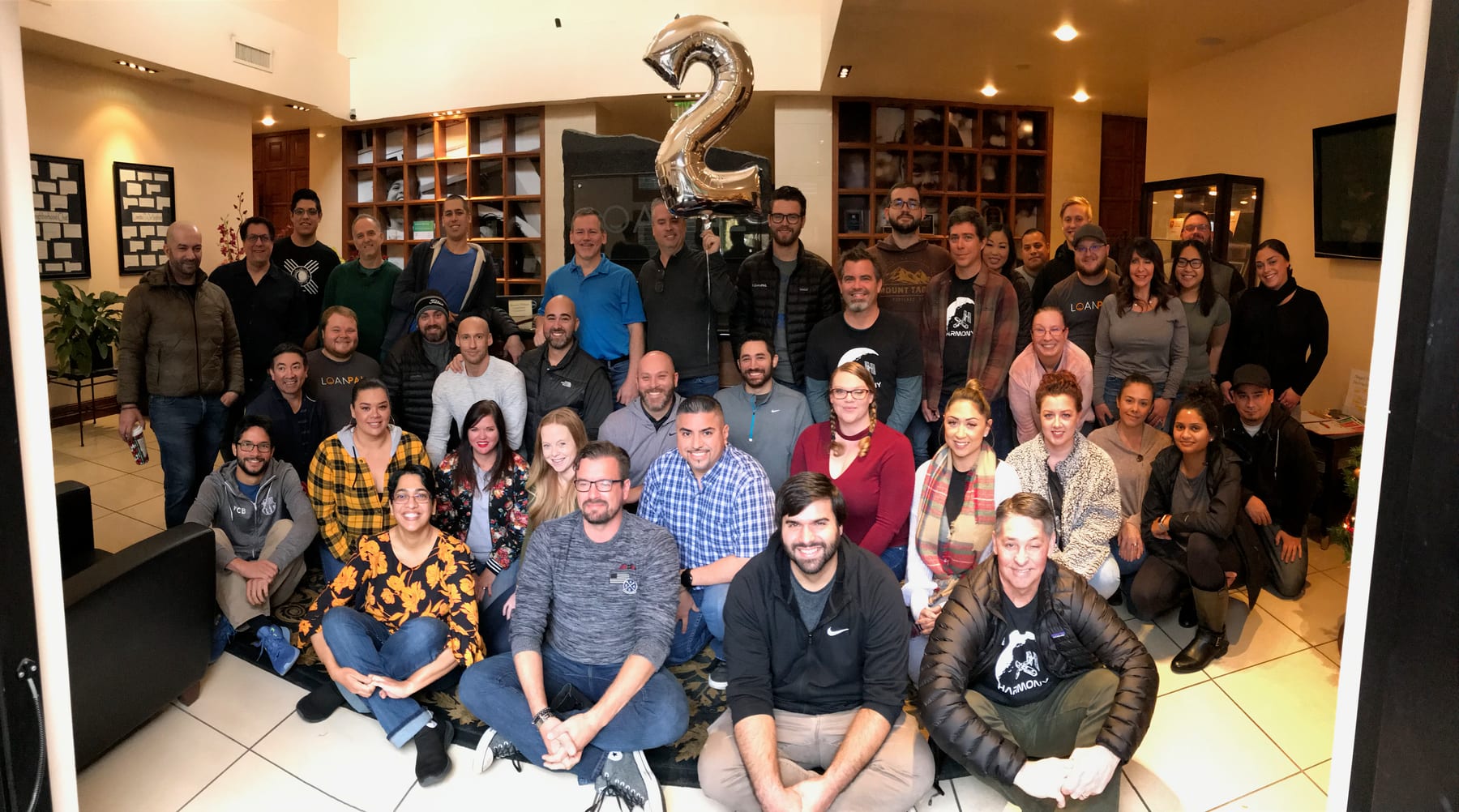
GoodLeap does loans for residential solar. It went from startup to multi-billion-dollar company while I was there, and the engineering team grew from about five people to about a hundred by the time I left.
An engineering manager here owns a whole area and answers for it, still reporting directly to the CTO. Mine covered three leads: web UI, mobile apps, and a GraphQL backend-for-frontend client sitting in front of an 80% serverless, federated GraphQL system. Day to day that meant:
- Setting the technical direction: how web, mobile, and the BFF layer were each structured, which tools they used, what “good” looked like across all three.
- Hiring, onboarding, and mentoring engineers as the team grew twentyfold.
- Deciding what got fixed now vs. later: which problems were worth solving properly right away, and which we could live with for another quarter.
- Rewriting the early foundation (a lot of it originally mine) so forty engineers could work in it without stepping on each other, while the product kept shipping.
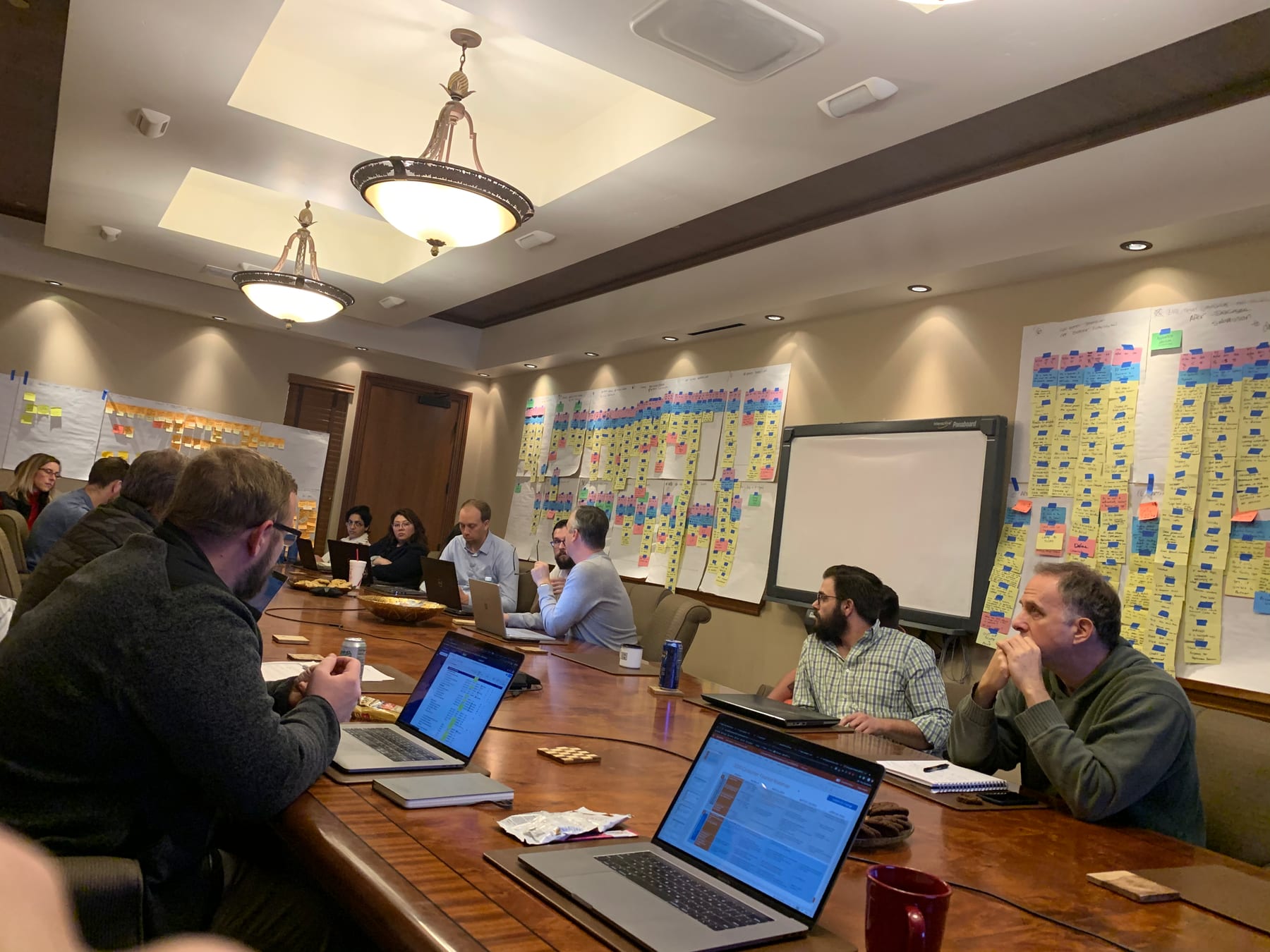
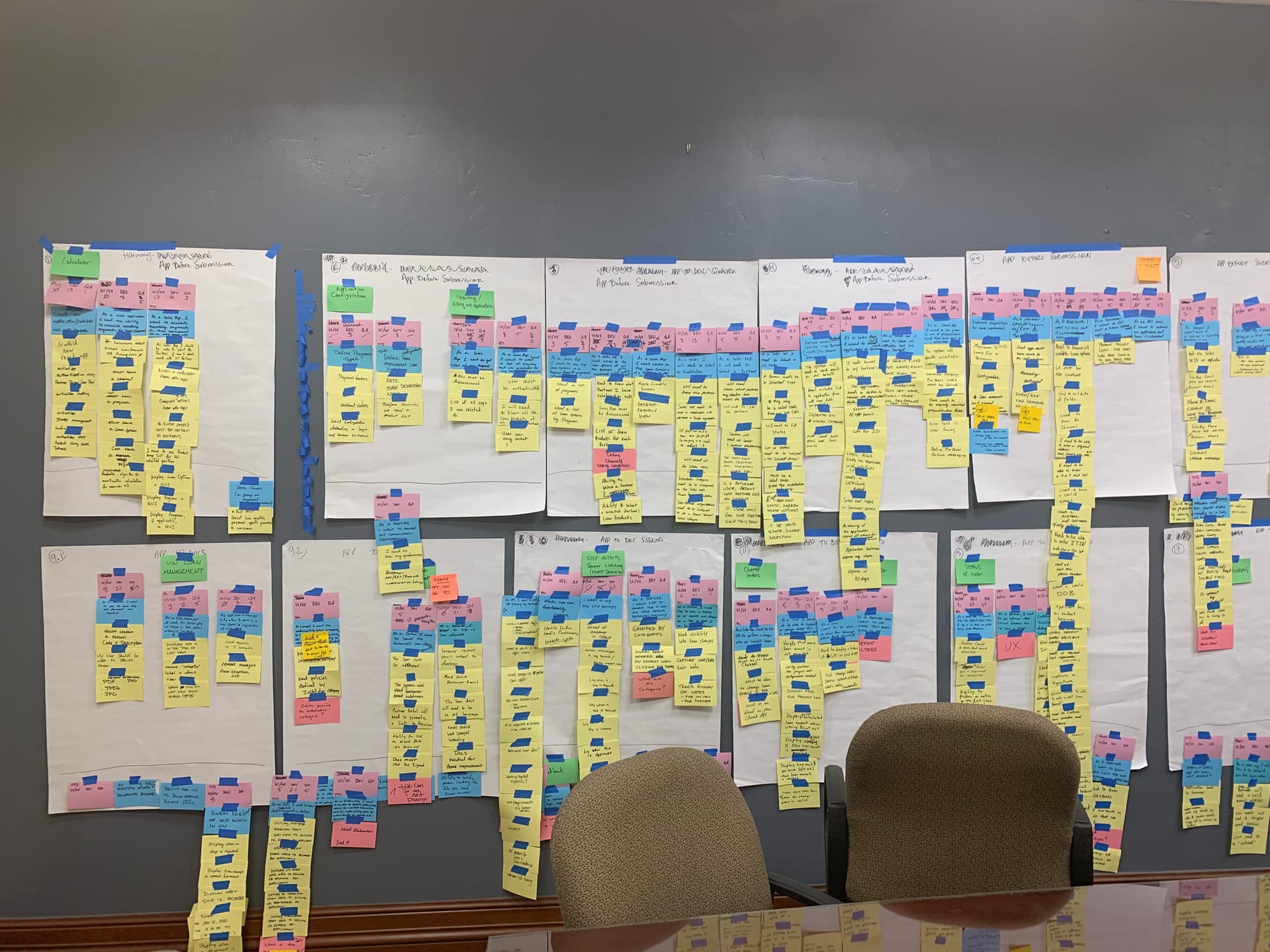
- Ran the team on Scrum, hard: paired with a dedicated scrum master to push it as far as it would go, one-week sprints, weekly retros, a genuine “everyone wants to be on their A-game” culture. Execs described us as a team of professional athletes on a professional sports team, and we were proud of it.
That mindset never left. To this day I still think in sprints and retros, and I’m effectively a volunteer Jira admin wherever I land: org-wide ticket cleanliness, not just my own team’s kanban board and standups.
Promoted into this from Full Stack Founding Engineer, the role before it.
Left for Confluent. GoodLeap was around 100 people at the time, and I wanted to see how a much larger company (Confluent was roughly 3,000) worked. Confluent had also just IPO’d, and having public stock as part of my compensation mattered to me at that point.
GivePower
GivePower was our founder’s own nonprofit, funded in part by GoodLeap, so a portion of what the software we built brought in went directly toward projects like this one. In 2019 I spent two weeks in the Orinoco basin of eastern Colombia on one of those projects. The goal was to build a solar-powered, closed-loop hydroponic farm and fish hatchery for a village that fishing alone could no longer support.
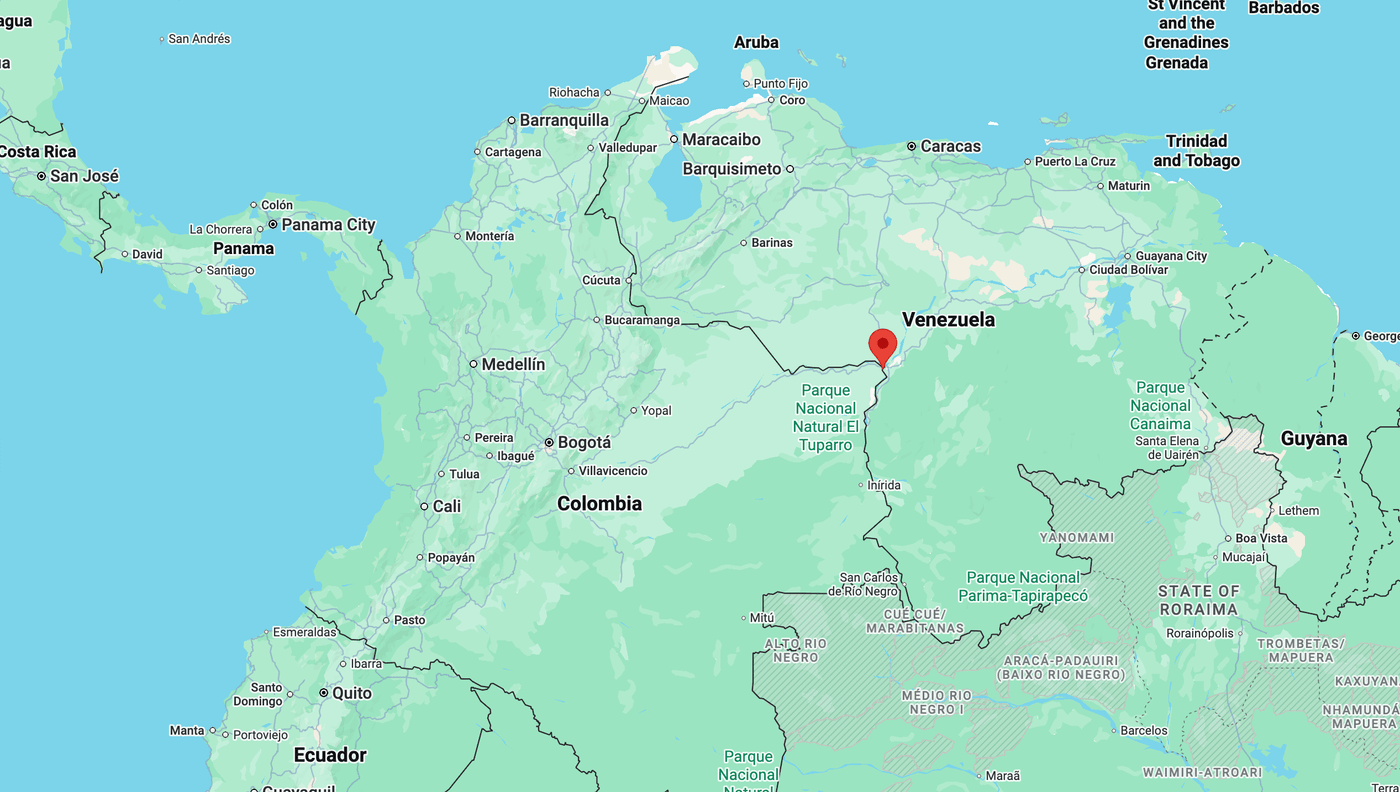
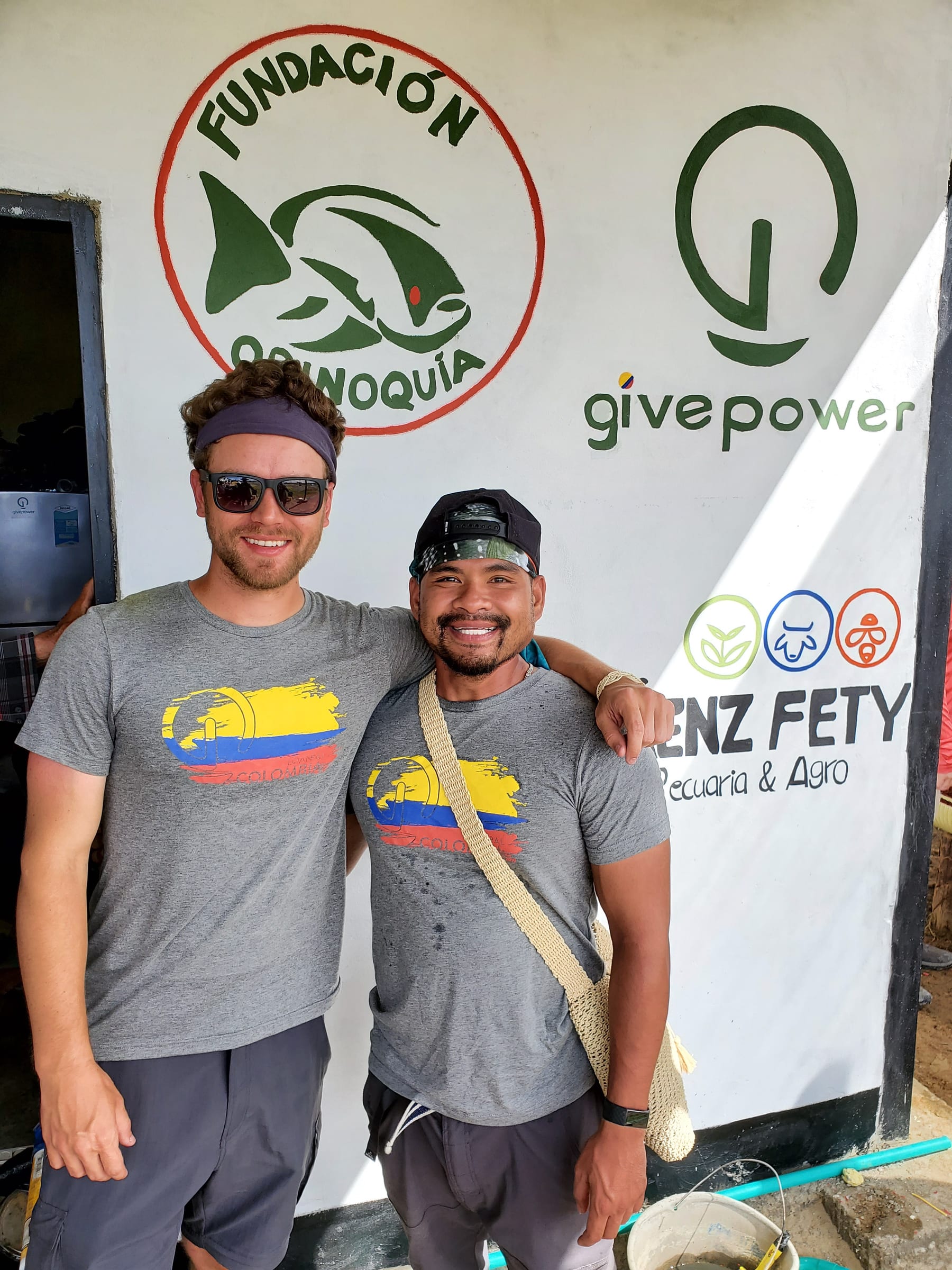
Climate change and overfishing had made the Orinoco harder to live off of every year, and in villages this remote, with no other economy to fall back on, that meant real starvation. A solar-powered farm and hatchery that didn't depend on the river gave the community a way to grow food and raise fish on its own.
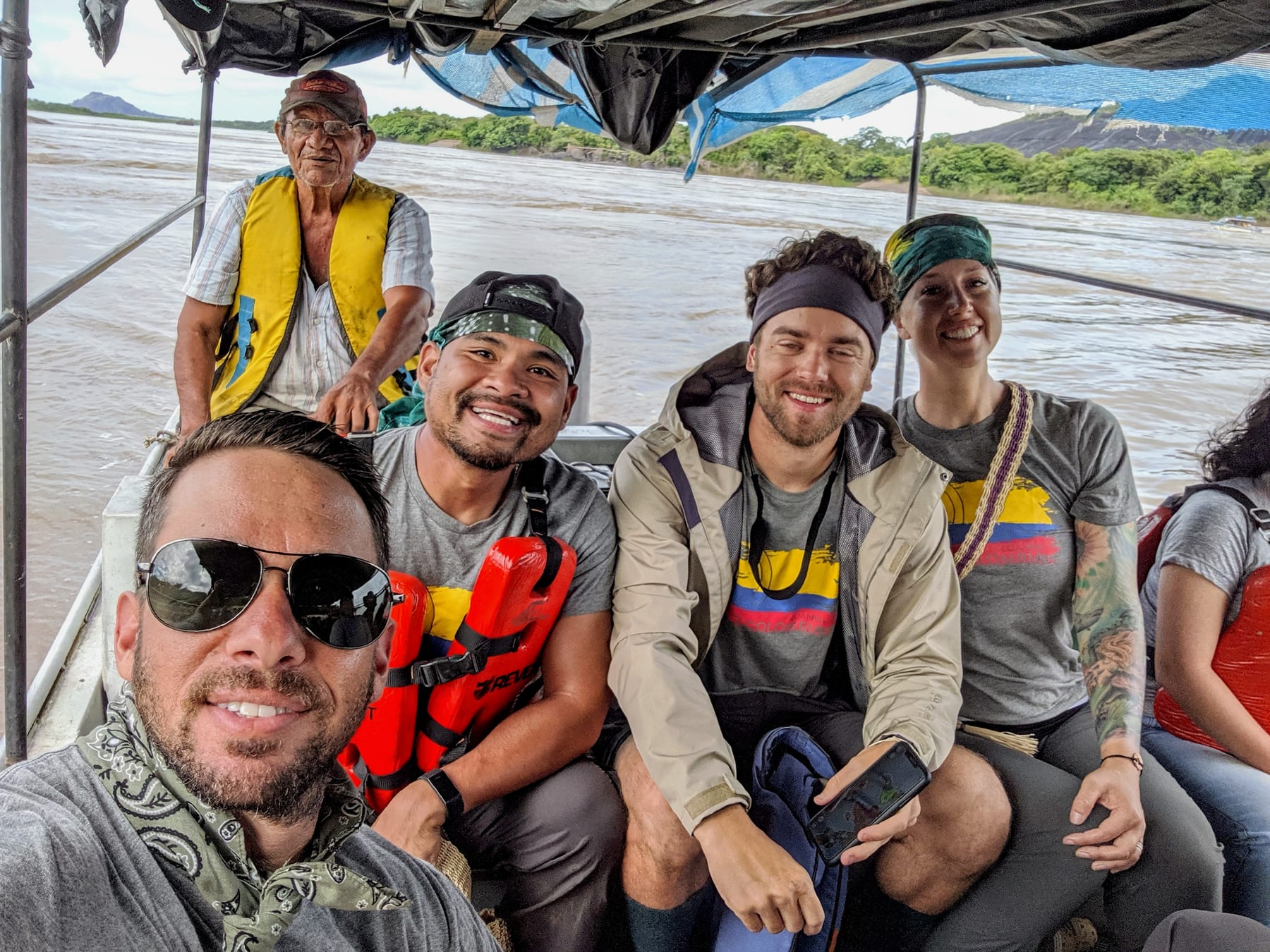
Getting there was most of the story. We flew into Bogotá, then took a military plane to Puerto Carreño, then boarded armed military boats and traveled down the Orinoco itself to a settlement remote enough that some of the villagers had never seen a television in person. They greeted us with men carrying bows and arrows.
We were escorted by the Colombian military for the entire visit, arranged through the government’s own ties to the project, because of unrest across the river in Venezuela. Every tool and piece of material we needed had to come in with us, loaded onto two barges, since none of it existed anywhere near the site.
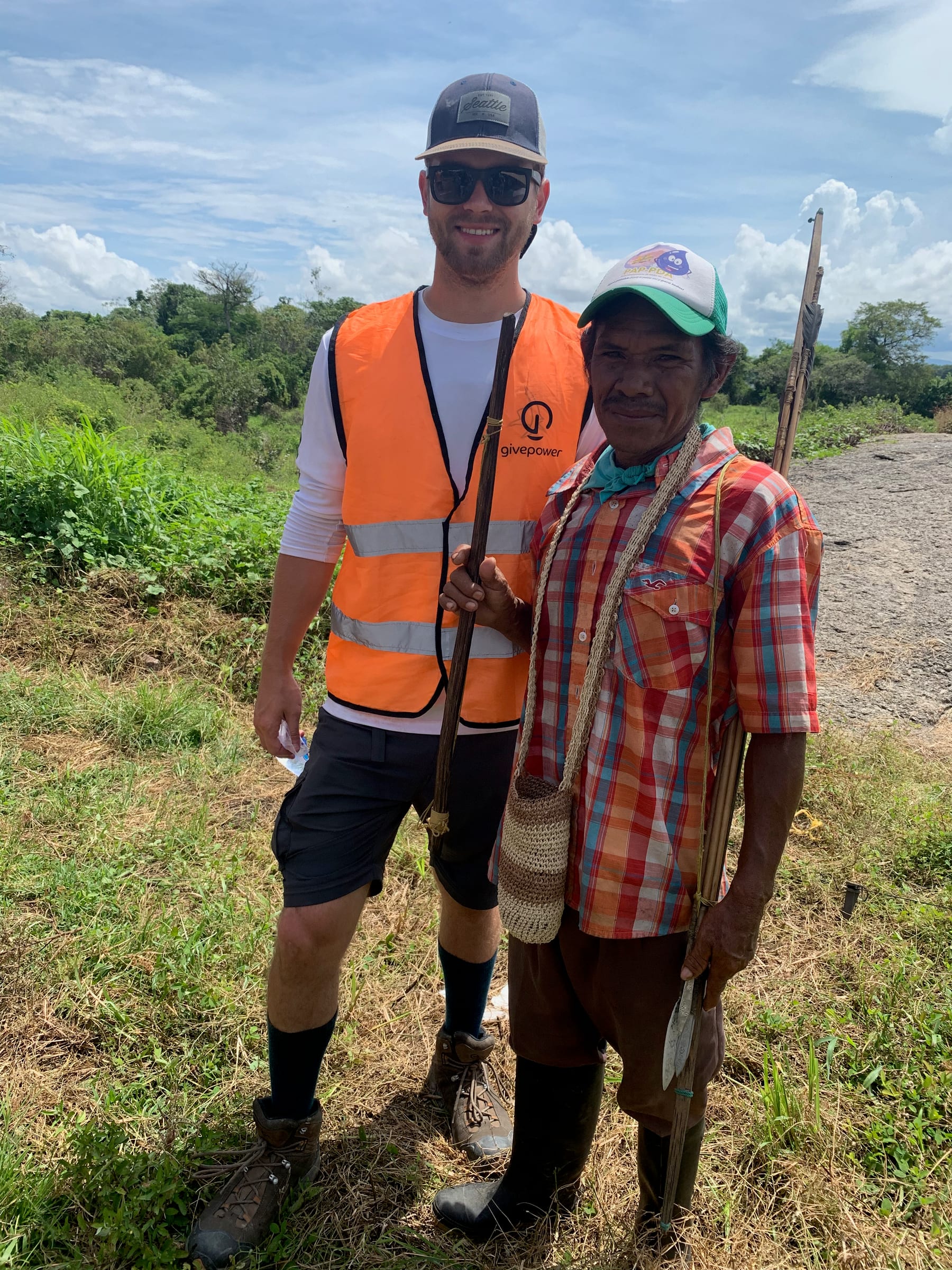
Living on-site meant adapting fast. We slept in hammocks to stay off the ground and away from whatever was moving around down there at night, and we learned to tie our bags up out of reach after the local howler monkeys figured out how to get into them.
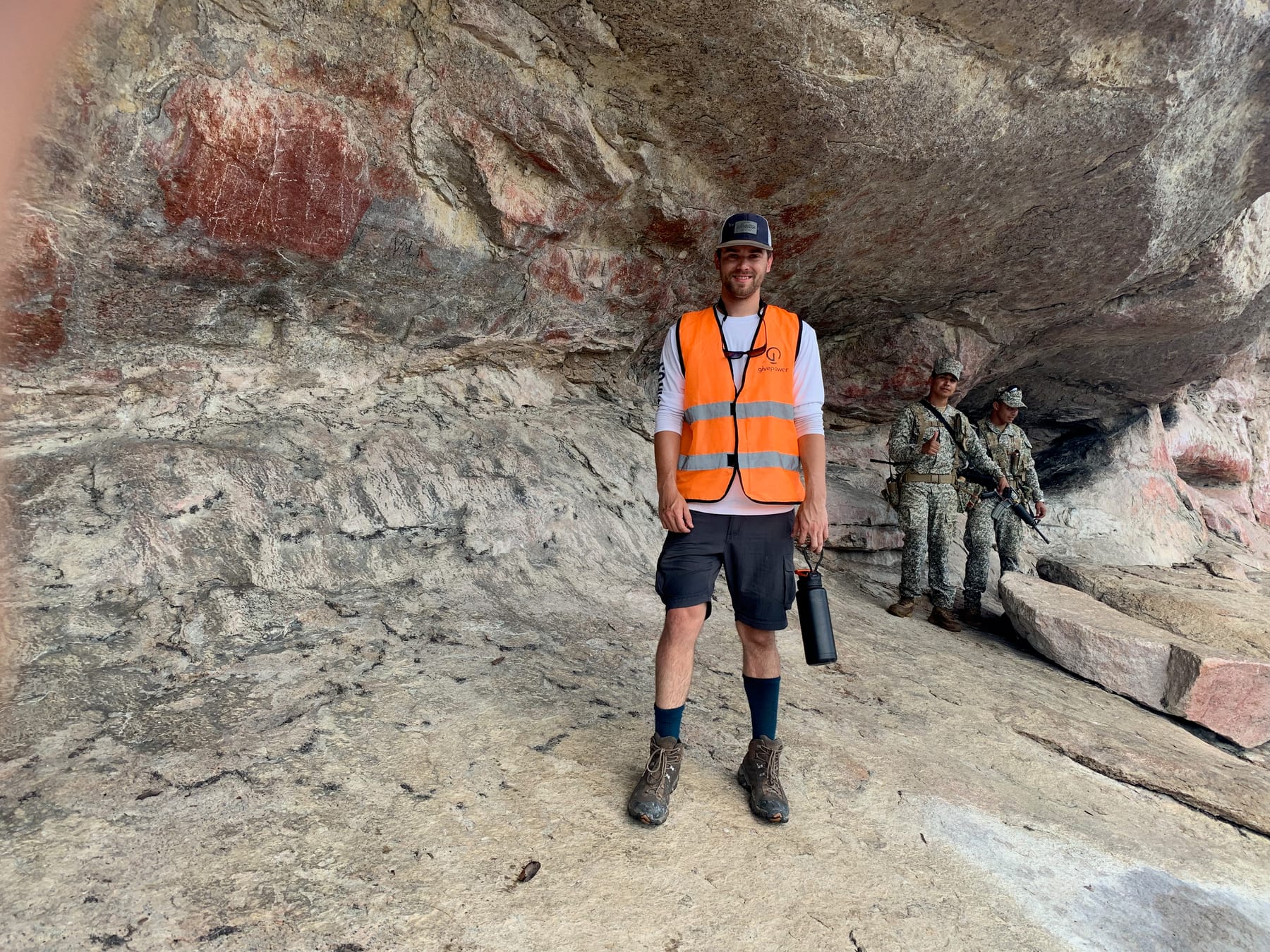
Near the settlement itself were rock carvings that had been there for a few thousand years, a reminder of how long people had been living in a place this remote.
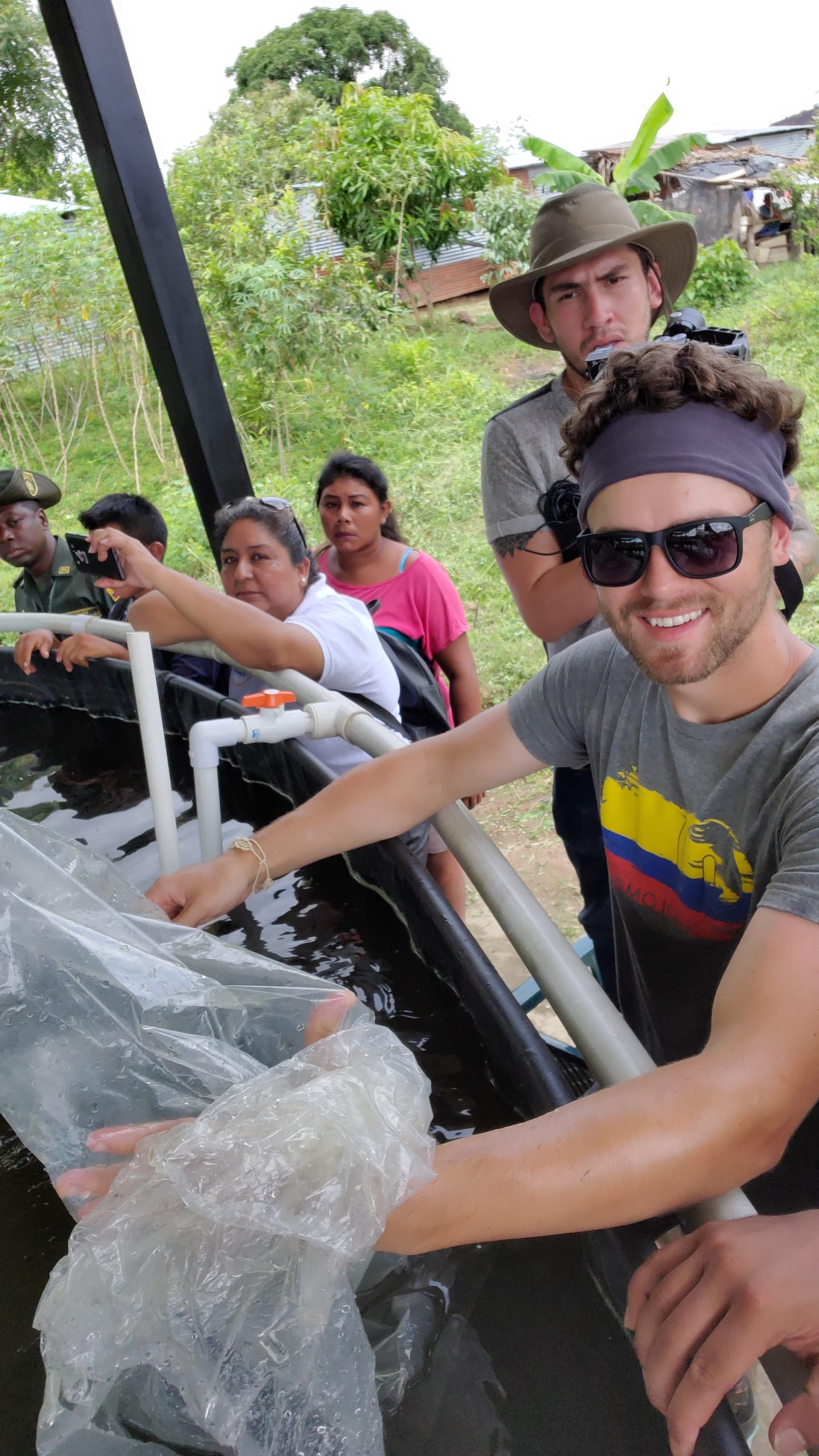
On the final day, we released the first fish into the finished hatchery. It took a lot of planning to pull off, and it was a life experience to say the least.